If you own a car in California, the smog check question comes up every couple of years, usually right when your registration renewal notice lands in the mailbox. Here’s the straightforward answer, along with the exceptions that trip people up.
The Standard Rule: Every Two Years
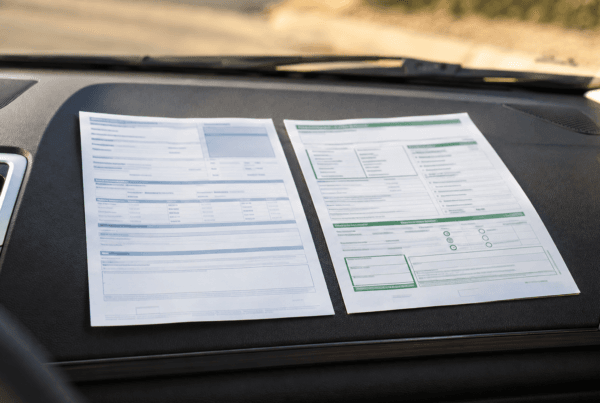
For most California vehicles, a smog check is required every two years as part of your registration renewal. The DMV will note this directly on your renewal notice, it will say your vehicle needs a smog certification before you can renew.
This applies to:
- Gasoline-powered vehicles, model year 1976 and newer
- Diesel vehicles, model year 1998 and newer, with a gross vehicle weight rating of 14,000 pounds or less
Who’s Exempt
A few categories of vehicles don’t need the standard biennial test:
- Newer vehicles. Gasoline vehicles that are eight model years old or newer don’t need a physical inspection. Instead, you pay a smog abatement fee as part of registration.
- Electric vehicles. Fully electric vehicles are exempt from smog checks entirely.
- Motorcycles. Not subject to smog check requirements.
- Older diesel and heavy vehicles. Diesel vehicles older than 1998, and vehicles with a GVWR over 14,000 pounds, generally fall outside standard smog testing.
Even if your vehicle fits one of these categories, always check your registration renewal notice. It will confirm whether any action is required on your end.
When You Need a Smog Check Outside the Regular Cycle
Beyond the two-year schedule, a few situations trigger a smog check regardless of timing:
- Selling your vehicle. If you’re selling a car that’s four model years old or older, California requires you to provide the buyer with a valid smog certificate issued within 90 days of the sale. We cover this in more detail in do I need a smog check if I’m selling my car.
- First-time registration. Bringing a vehicle into California from another state typically requires a smog check as part of initial registration.
- STAR station referrals. Some vehicles get directed to a STAR-certified station specifically. If your notice says STAR, a regular station can’t fulfill that requirement even if they run the same test. Our guide on what a STAR certified station is explains why some vehicles get routed there.
What Happens If You Miss Your Window
If your vehicle needs a smog check and you don’t complete it by your renewal date, you won’t be able to renew your registration, and that can lead to late fees or penalties if you’re caught driving on an expired registration. It’s worth scheduling ahead of the deadline rather than waiting until the last week.
Getting Ready for Your Test
A few small things make a real difference in whether your car passes the first time:
- Make sure your check engine light is off. An illuminated light almost guarantees a failed test.
- Drive the car for 20 to 30 minutes before your appointment so the engine reaches normal operating temperature.
- Keep up with routine maintenance, tires inflated, battery charged, no obvious warning signs.
For a full walkthrough, see our guide on how to pass a smog check in California the first time. And if you want to confirm your vehicle’s past results before your next test, you can look up your smog check history for free through the BAR database.
If Your Vehicle Doesn’t Pass
A failed test isn’t the end of the process. Most issues are fixable, and if the repair cost is a concern, California’s Consumer Assistance Program may be able to help cover costs for qualifying vehicles.
Wondering About Cost or Exemptions Beyond This?
This post covers the core “how often” question. For a broader look at 2026 requirements, including exemption details and STAR routing criteria, see California smog check requirements for 2026. For pricing, check how much a smog check costs in Torrance.
Schedule Your Smog Check at EZ Smog Check Torrance
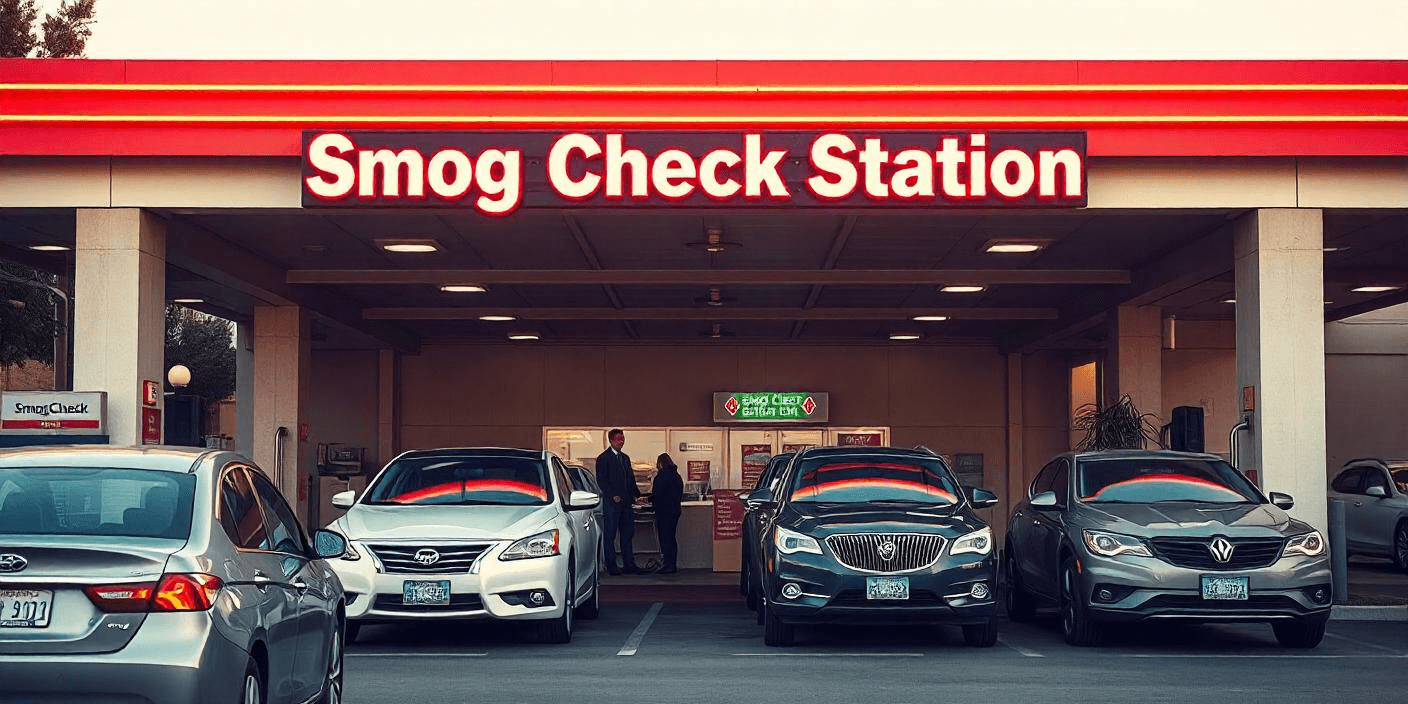
Walk-ins are welcome at EZ Smog Check, no appointment necessary. We’re a STAR-certified Test-and-Repair station, so if your vehicle doesn’t pass, we can handle the diagnosis and repair in the same visit. Verify your specific renewal timing anytime through the DMV’s official site.