If your vehicle failed its smog check because of a bad catalytic converter, you’re likely looking at one of the more expensive repairs a smog check failure can produce. California’s Catalytic Converter Assistance Program exists specifically to help with this, offering financial assistance toward the cost of replacing a failed catalytic converter for vehicle owners who qualify.
This program is administered through the Bureau of Automotive Repair, the same office that handles California’s broader Consumer Assistance Program, but it’s worth understanding on its own, since catalytic converter replacement tends to be a bigger expense than most other smog related repairs, and the assistance available reflects that.
Why Catalytic Converters Cause So Many Smog Check Failures
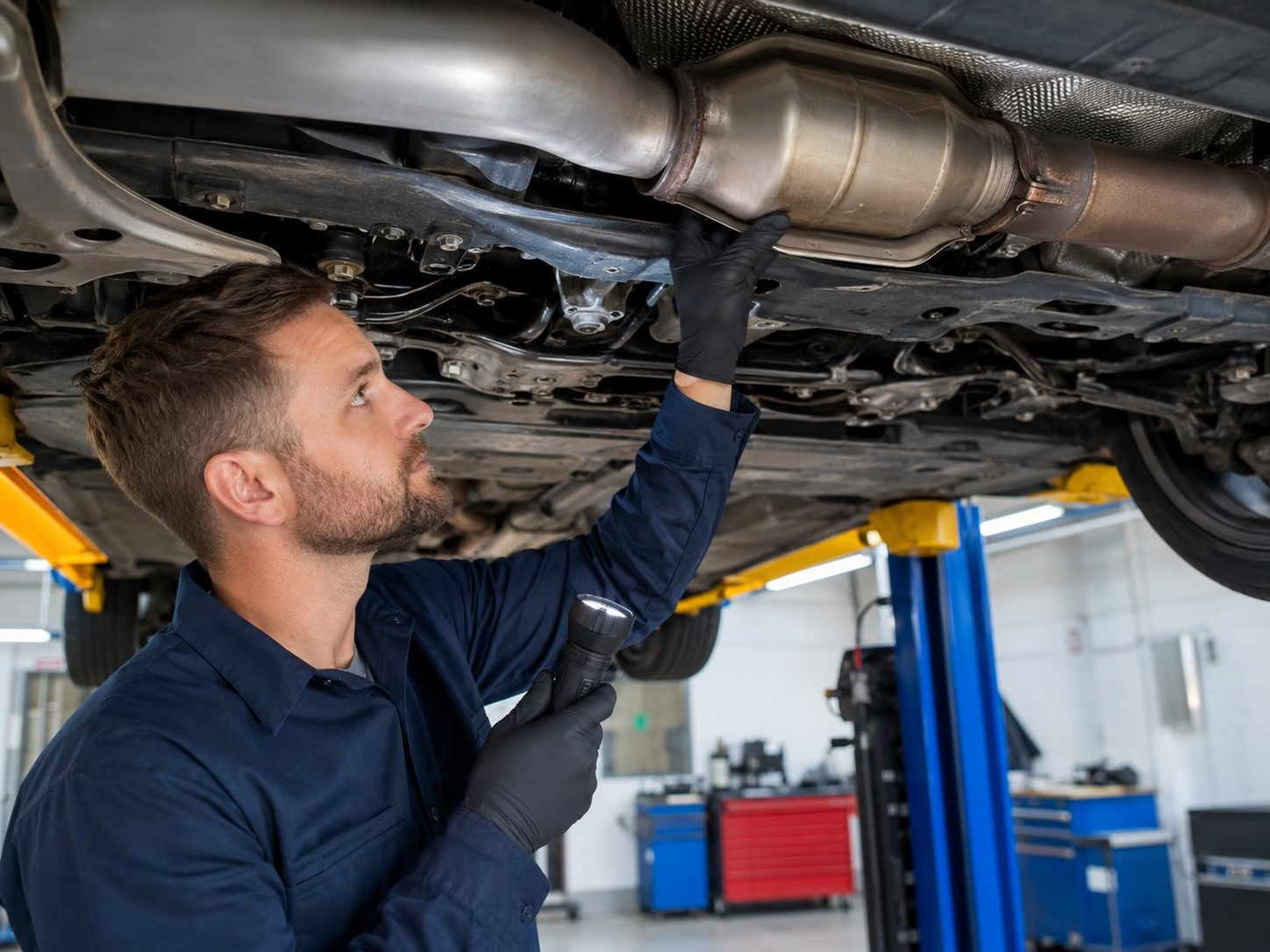
The catalytic converter is one of the most important emissions control components on your vehicle. It converts harmful exhaust gases into less harmful compounds before they leave the tailpipe. When it fails, either through age, damage, or being clogged, your vehicle’s emissions readings can spike significantly, often enough to trigger a gross polluter classification rather than just a standard failure.
A few things commonly cause catalytic converter failure:
- Age and normal wear, since converters do eventually degrade over the life of a vehicle
- Contamination from an engine that’s been running rich for an extended period
- Physical damage from road debris or an impact underneath the vehicle
- Theft, which has become increasingly common due to the valuable metals inside catalytic converters
That last point is worth pausing on, since catalytic converter theft has become a significant issue in Southern California in recent years. If your vehicle suddenly develops a loud exhaust sound and then fails its next smog check, a stolen or damaged converter is a common explanation, and a severe enough failure here is often what pushes a vehicle into gross polluter territory rather than a standard failure.
What the Assistance Program Actually Provides
The Catalytic Converter Assistance Program helps offset the cost of replacement for vehicle owners who meet income and vehicle eligibility requirements, similar in structure to the broader Consumer Assistance Program (CAP) for smog checks. The specifics of what’s covered and how much assistance is available can change, so it’s worth confirming current amounts directly rather than relying on outdated figures, but the general idea is straightforward: if you qualify, a portion of your replacement cost can be covered rather than falling entirely on you.
To be considered, you’ll typically need:
- Proof of household income at or below the program’s threshold
- A current vehicle registration in your name
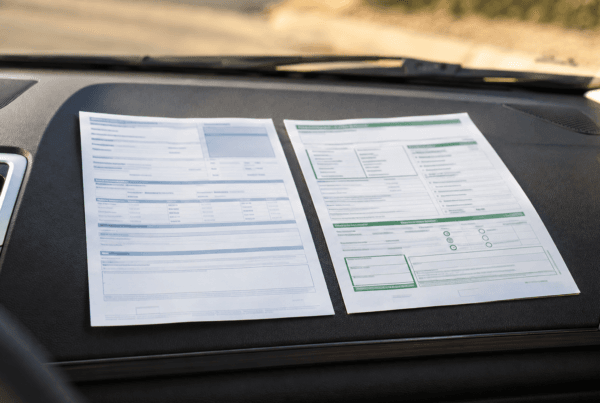
- Documentation from your smog check showing the catalytic converter as the cause of failure
- Repair work completed at a program approved facility for the assistance to apply
Because this program requires an application and approval process before repairs are reimbursed in most cases, it’s important not to authorize the replacement before confirming your eligibility, the same way it works with qualifying for the broader CAP program.
How This Differs From the Standard CAP Program
California’s general Consumer Assistance Program covers a range of smog related repairs, not just catalytic converters. The catalytic converter specific assistance exists because this particular repair tends to run higher than most other smog related fixes, and a general repair assistance cap might not go far enough to make a meaningful dent in the cost.
If your vehicle failed for a reason unrelated to the catalytic converter, the standard CAP program is likely the more relevant option to look into. If a bad converter is specifically what’s driving your failure, this program is worth checking first, since it’s built around that exact situation.
What to Do If You Suspect a Bad Catalytic Converter
A few signs commonly point to catalytic converter trouble before you even get to a smog check:
A noticeably louder exhaust, sometimes described as a rattling or hollow sound, especially right after the vehicle was parked somewhere you weren’t watching it. Reduced engine performance or a noticeable drop in fuel efficiency. A check engine light paired with specific diagnostic codes related to catalytic efficiency, which a technician can pull during an inspection.
If you’re noticing any of these before your next smog check is due, it’s worth having it looked at proactively rather than waiting for a failed test to confirm what’s already going on, and it’s worth reviewing the broader list of top reasons vehicles fail smog tests in California in case something else is also at play. Catching it early can also mean the difference between a standard failure and a gross polluter classification, since the longer a failing converter runs, the more likely it is to push emissions readings into that higher category.
Getting Help After a Failed Smog Check in Torrance
If your vehicle recently failed its smog check and a bad catalytic converter turned out to be the cause, it’s worth understanding your options before committing to a repair path. At EZ Smog Check Torrance, we can walk you through what the test results actually showed and help you understand whether this assistance program is worth pursuing for your specific situation.